Edwardian ConservatoryClassic, Spacious & Thermally Efficient
The name has been linked with this style of conservatory since it was brought into fashion during the time that King Edward VII (Edward the 7th) was on the throne of England. It is one of the three types of designs known as period conservatories, having got their names from the King or Queen who reigned at the time they first appeared, the others being Victorian and Georgian conservatories.
What is an Edwardian Conservatory?
The name has been linked with this style of conservatory since it was brought into fashion during the time that King Edward VII (Edward the 7th) was on the throne of England. It is one of the three types of designs known as period conservatories, having got their names from the King or Queen who reigned at the time they first appeared, the others being Victorian and Georgian conservatories.
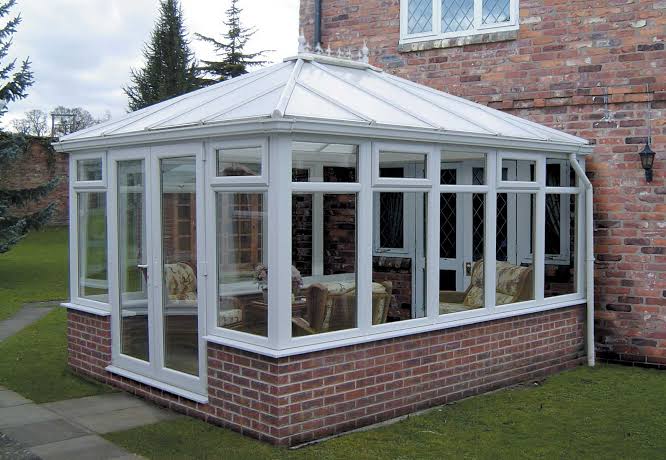
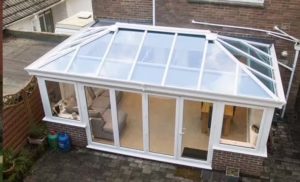
At the time it appeared, the Edwardian style rejected all the fuss and ornamentation prevalent beforehand and that is why you will see them in square or rectangular designs. That “regular” base shape will also be reflected in the roof appearance. Almost the exact opposite of the multi-faceted Victorian style that preceded it. The aim was to keep detailing to a minimum and allowing the occupants to have a clear a view of the outside as possible. So you can expect plain glass side walls without fancy decoration.
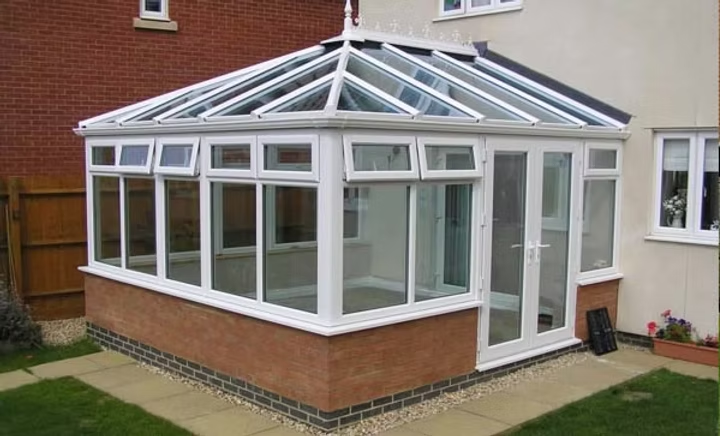
The only time this would be different is if dwarf walling is used in the design. Edwardian conservatory roofing is pitched and usually made up of 3 sections sloping upwards from the outer edge of the room to meet at the centre ridge. Which, coincidentally is where you might find the only “fancy bit” in the shape of a horned decorative ridge-line. Some installations do, however, feature a four-sided pitched roof. One design feature that can be seen a lot in the Edwardian style, is a series or row of small windows at the top of the frames. Looking like transom windows, the technical name for these would probably be clerestory windows.
Why Choose Our Edwardian Conservatory?
Square, bright and spacious. Symmetrical design for maximum usable living space.
Maximum Floor Space
Square footprint gives 20% more usable space than Victorian.
Full Height Glass Walls
Floor-to-ceiling glazing for panoramic light and garden views.
Thermally Efficient Roof
Polycarbonate or insulated glass roof keeps heat in winter.
Structurally Strong Frame
Reinforced aluminium frame tested for high winds and snow loads.
Heritage Colour Options
20+ RAL colours, dual tone, white, grey and woodgrain finishes.
Secure & Weather Sealed
Multi-point locks, triple seal, draught proof for UK weather.
Superior Ventilation Control
Opening roof vents and tilt windows for fresh airflow.
Quiet & Low Maintenance
No rattles, no fading. Just wipe clean, stays silent in wind.
Two Styles.
One Classic Shape.
Engineered for British weather. Choose classic warmth or architectural glass - both A-rated, fully insulated and built to measure in the UK.
MOST POPULARuPVC Edwardian Conservatory
- A+ Rated & Fully Insulated
- Multi-point Secure Locking
- Zero Maintenance uPVC
- 20+ Colours & Woodgrain
- 10 Year Guarantee
- Most Cost Effective
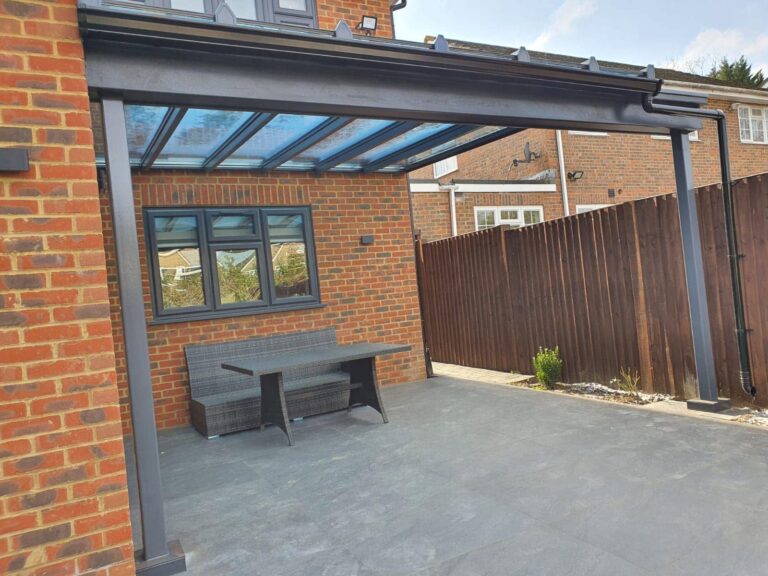
PREMIUM GLASS ROOFAluminium Edwardian Conservatory
- Ultra-Slim Sightlines
- Thermally Broken Aluminium
- 45+ Year Lifespan
- 200+ RAL Powder Coated
- Energy Efficient Glass Roof
- Architectural Strength
Conservatories Built For British Gardens , Backed By 20+ Years Of Expertise
We don't just build conservatories we manufacture premium Edwardian systems designed for year-round living, installed with precision and guaranteed for a decade.
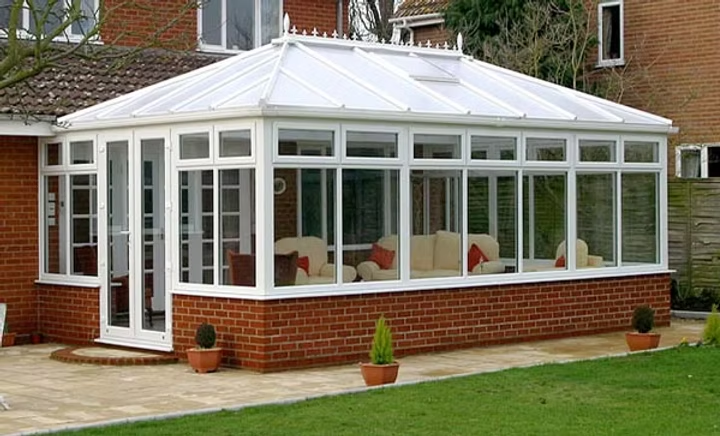
Made to Measure in the UK
Every window manufactured to your exact size, not off-the-shelf. Perfect fit, zero compromise.
Profile 22 System
UK's most trusted 70mm system for thermal & weather performance. Engineered for British weather.
A+ Energy Efficient
Keep heat in, bills down, EPC ratings improved. Argon-filled double glazing as standard.
Secured By Design
Multi-point locking, internal glazing, police-approved security. Your peace of mind built-in.
10 Year Guarantee
Full guarantee on frames, hardware & installation. No quibble, no small print.
Made to Last, Zero Maintenance
Never rots, warps or needs painting. A quick wipe keeps them pristine for decades.
Where Are Edwardian Conservatories Used?
From compact London terraces to spacious detached gardens, Edwardian conservatories add timeless symmetry and maximum usable space. Their square footprint, high roof and full-height glass make them perfect for year-round living, entertaining and working.
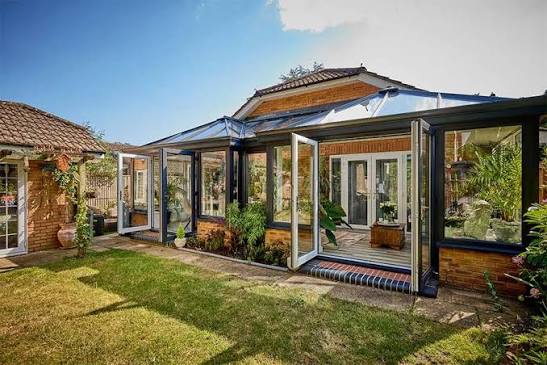
01 • ApplicationDetached Homes & Gardens
Maximise garden space with a square footprint that adds a true extra room.
- Maximum usable floor area.
- Seamless garden connection.
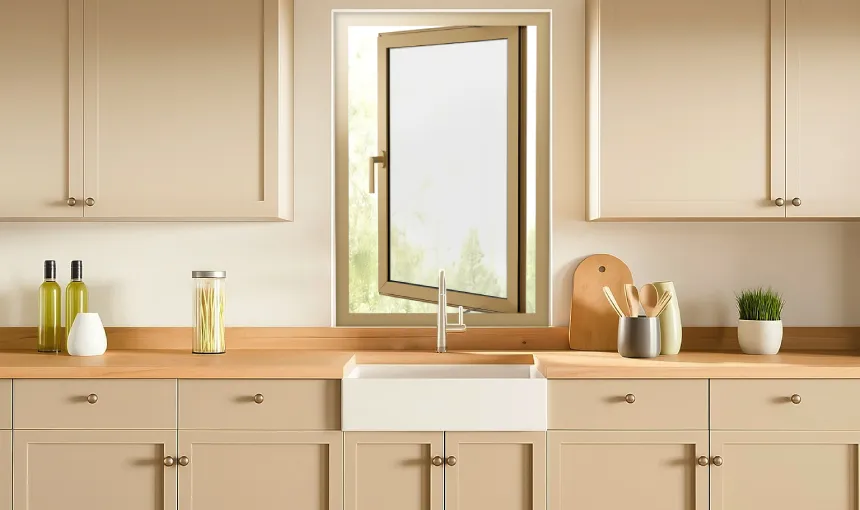
Kitchen Extensions
Create a bright open-plan kitchen diner with sky views and all-day natural light.
- Open plan family living.
- Year-round thermal comfort.
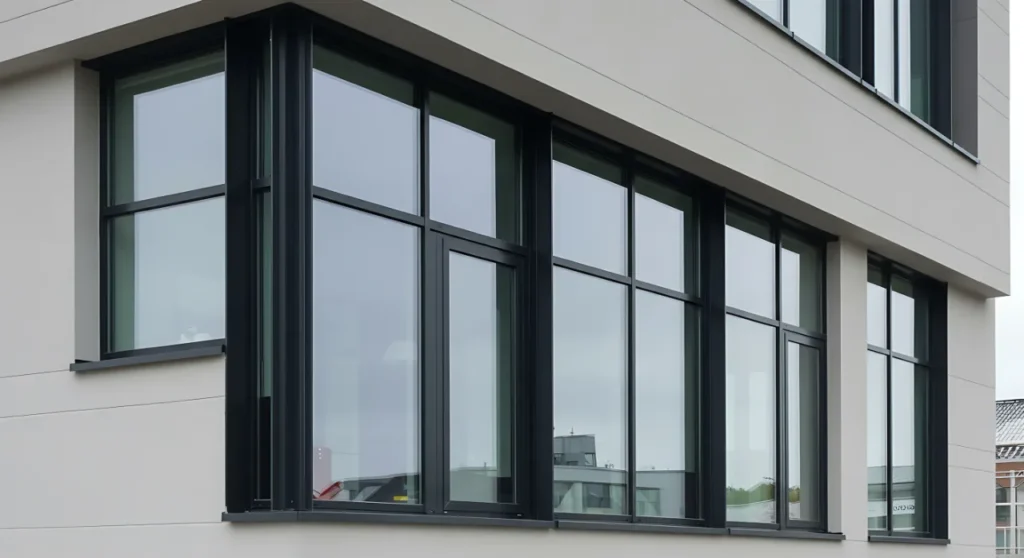
03 • ApplicationCommercial & Office Spaces
High-performance thermal break aluminum meets corporate aesthetics and all-day comfort.
- Acoustic insulation up to 38dB
- Low-E for energy compliance
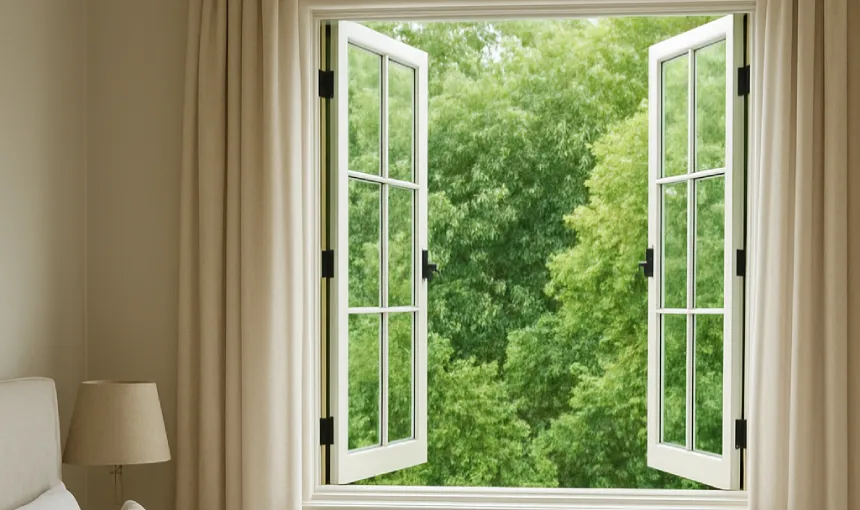
Bedrooms & Bathrooms
Privacy, ventilation and condensation control. Ideal for intimate spaces needing fresh air without compromise.
- Trickle vents for night cooling
- Frosted & tempered glazing options
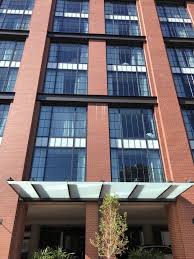
05 • ApplicationHotels & Apartments
Durable, secure, and uniform across floors. Multi-point locking meets hospitality-grade maintenance.
- 90° egress for cleaning access
- Consistent sightlines across façade
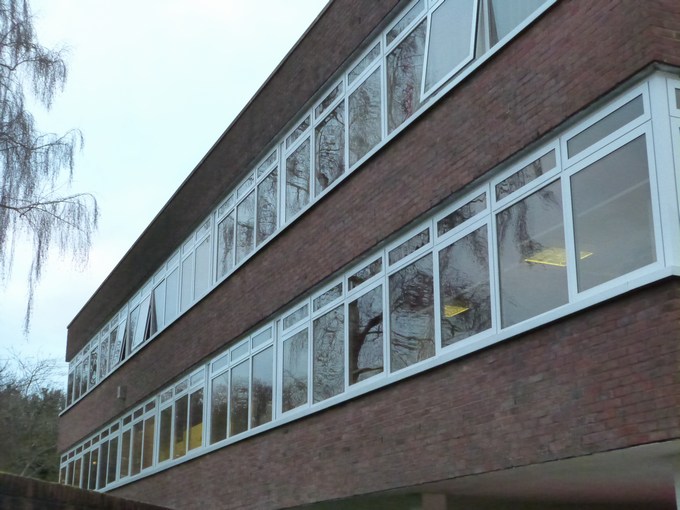
06 • ApplicationSchools & Institutions
Safe, controllable ventilation for classrooms and labs. Tested for high-cycle daily use.
- Restrictor stays for child safety
- Reinforced hinges for heavy use
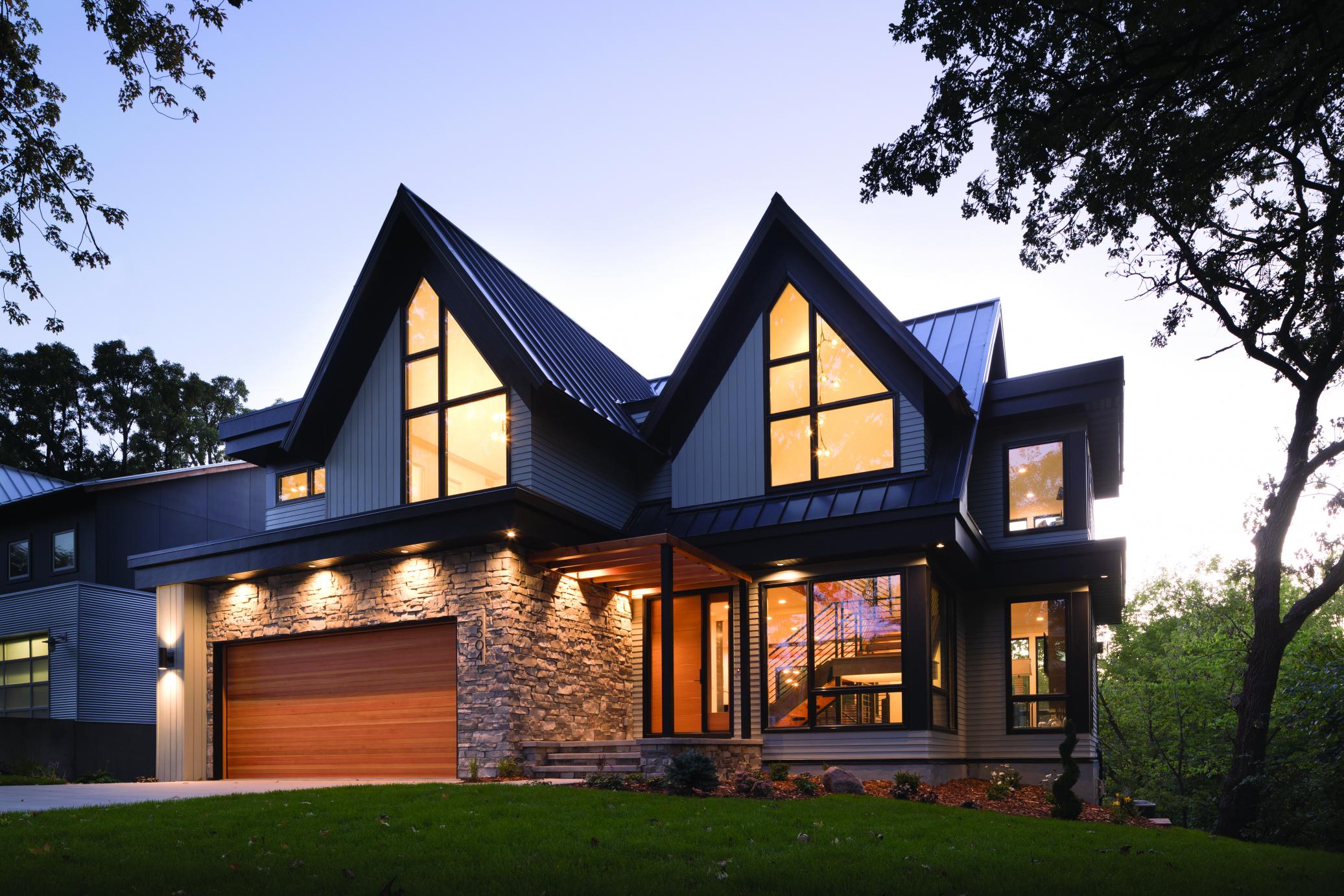
Engineered For Every Space
Maximum Ventilation
100% sash opening, 90° outward swing for cross-air flow.
Energy Efficiency
Compression seal + thermal break, U-factor ≤0.28
Unobstructed Views
Slim sightlines, no mid-rail, more daylight
Enhanced Security
Multi-point locking, concealed hinges
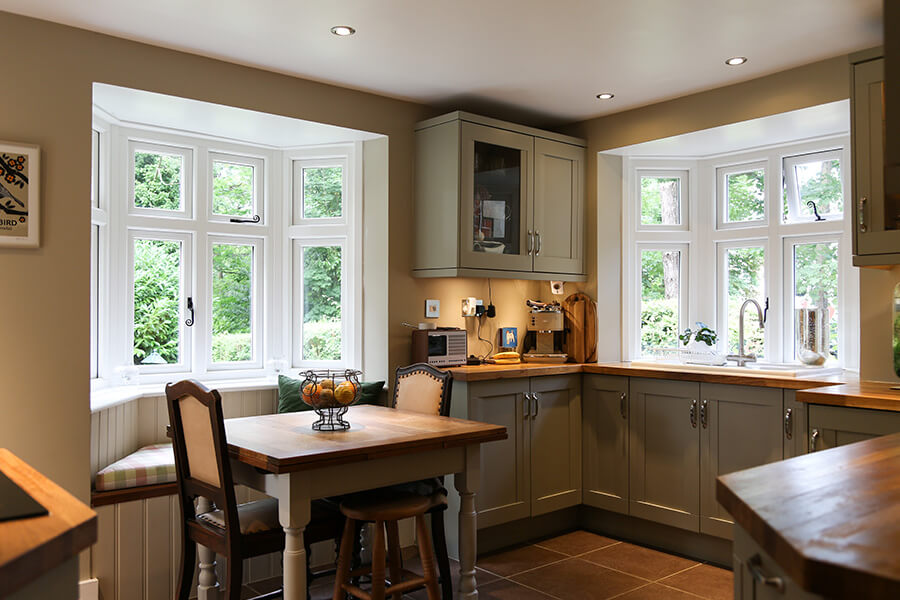

Colours to inspire
Aludec and Woodec deliver a step change in the application of PVCu colour finishing options.
Inspired by nature
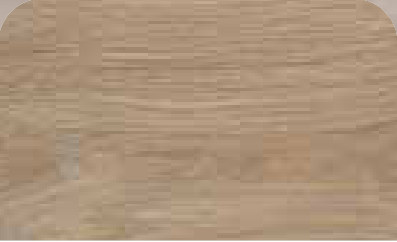
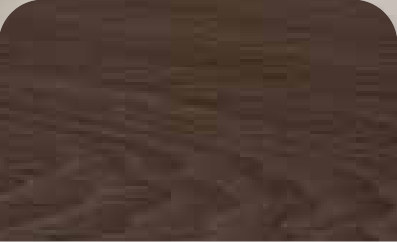
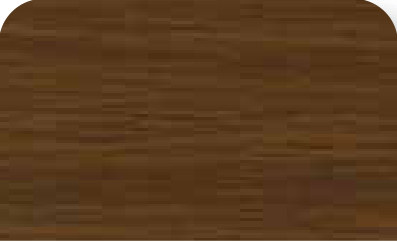
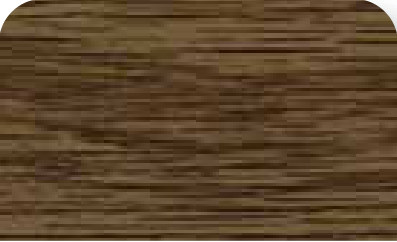
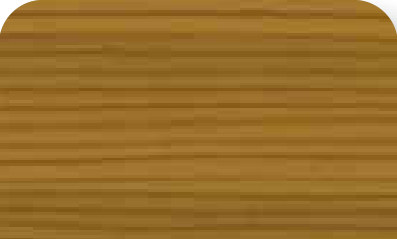
Woodec
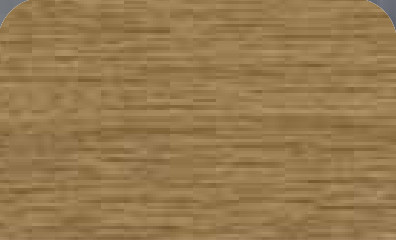
Woodec illustrates the appearance of real wood with a unique character combined with all the advantages of our excellent product range. This is what the new Woodec decorative foils offer. Not only is it difficult to distinguish visually from the natural material, but the Woodec foil also recreates wood very realistically to the touch, thanks in part to deep embossing and a matte top layer.
Inspired by style
Aludec
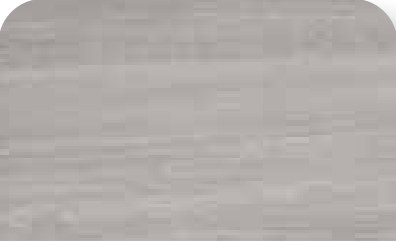
The attractive surface of Aludec decorative foils, distinguished by a unique fine-grained, matt surface with a similar finish to powder-coated aluminium, is a fabulous option that suits contemporary modern minimalist designs.
The new Aludec foils follow this trend, offered in seven attractive shades ranging from whites and greys, brown, jet black, anthracite, and a metallic finish.

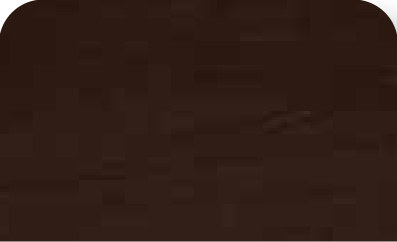
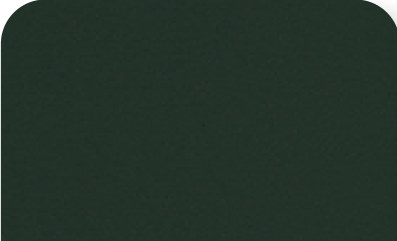
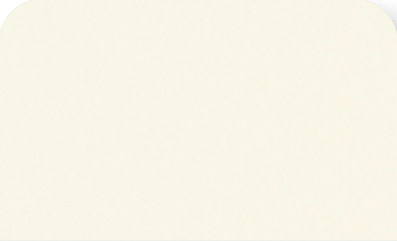
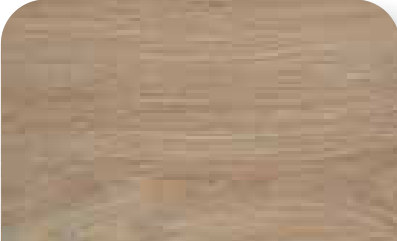
Feature colours
Standard foil colours
All aluplast coloured foil finishes feature innovative technology which improves performance characteristics, providing a much longer life cycle of the surface finish.
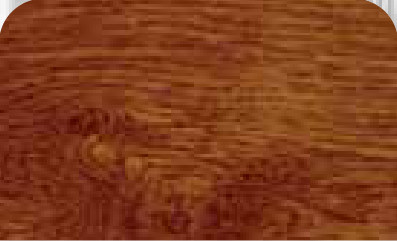




Custom foil colours


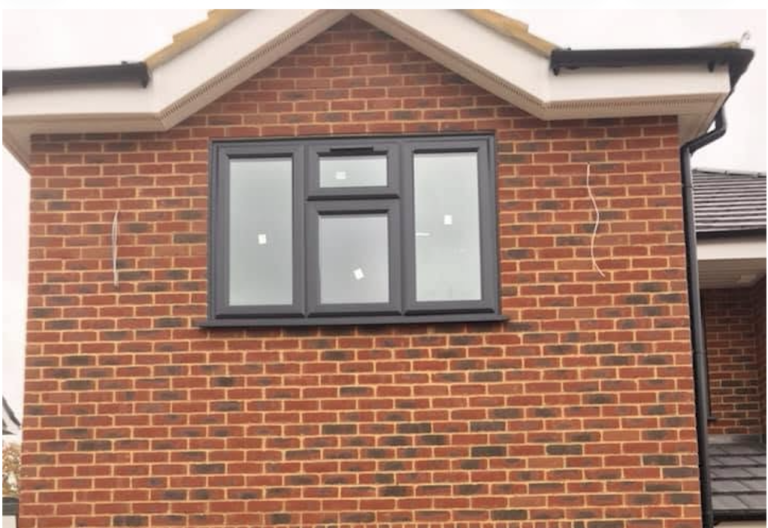
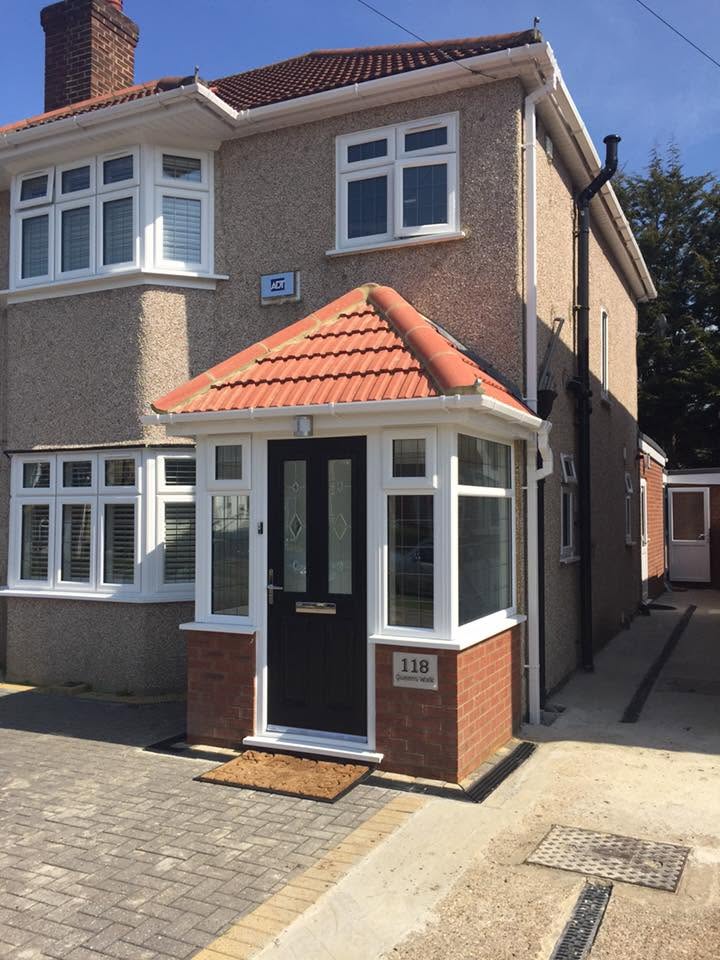
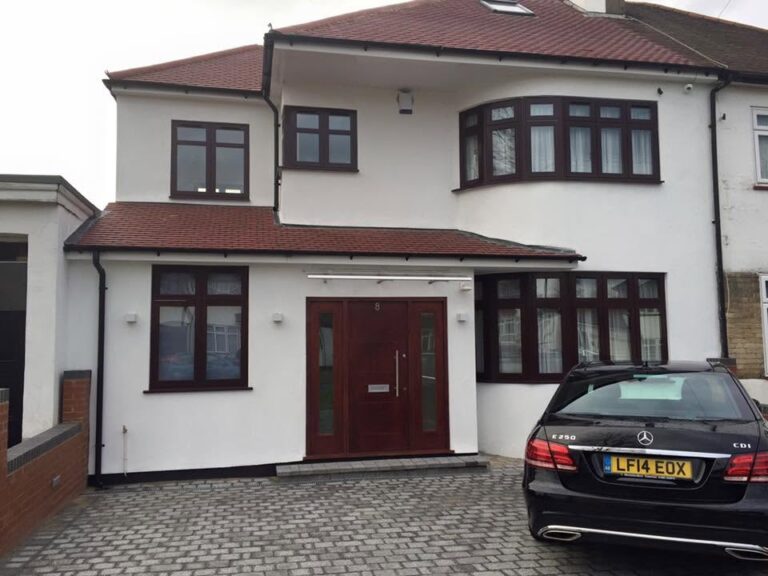
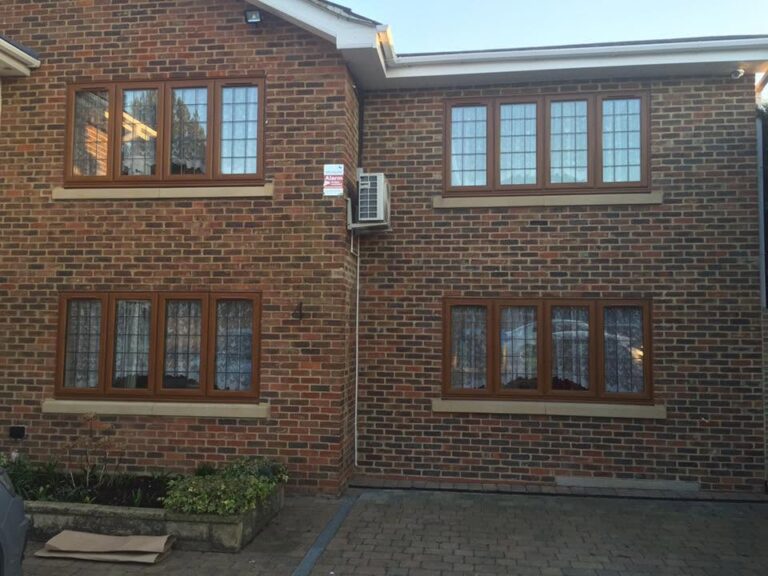
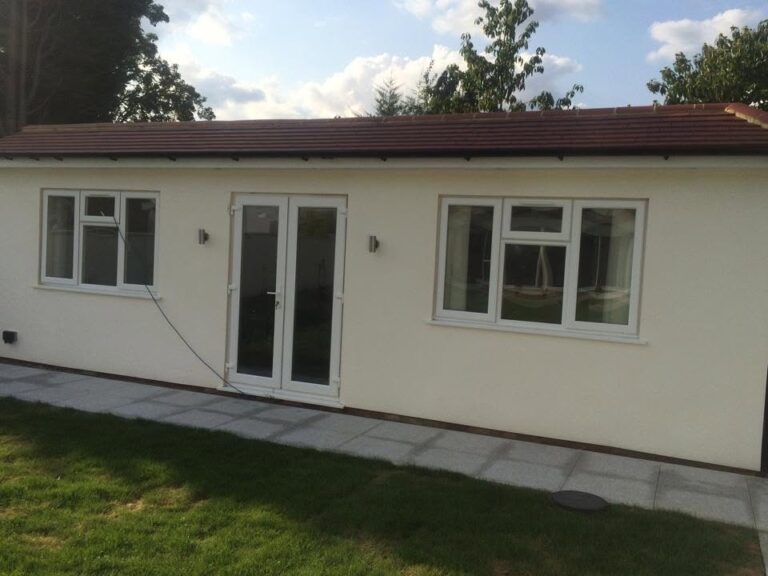
Our Completed Projects


Flush Casement Windows FAQs
Answers to the questions homeowners ask us most about uPVC, aluminium and heritage flush casements.
What is the casement window?
A casement window is the most popular window style in the UK. It’s a window where the sash overlaps the outer frame (known as a lipped or storm casement) creating an extra weather seal. The sash is hinged on the side (side-hung) or top (top-hung/awning) and opens outward up to 90 degrees for maximum ventilation. Unlike a flush casement which sits level with the frame, a standard casement’s overlapping lip provides superior storm-proofing and is more cost-effective.
What is the difference between a casement window and sash window?
Casement windows are hinged and open outward like a door, offering full 90-degree opening and excellent ventilation. Sash windows slide vertically (box sash) with two sashes moving up and down, common in Georgian and Victorian properties. Casements are more energy-efficient, more secure with multi-point locking, cheaper, and easier to clean. Sash windows are chosen for authentic period aesthetics. We offer both at Win-Doors INT LTD.
Are casement windows energy efficient?
Yes – all our casement windows are A-rated as standard with U-values as low as 1.2 W/m²K double glazed and 0.8 W/m²K triple glazed. The overlapping storm-proof design actually improves weather sealing – the sash presses tight against double Q-Lon gaskets when closed. With warm-edge spacer bars, argon-filled units, and low-E glass, they easily meet Part L Building Regulations and can cut heating bills by up to 25% versus old single-glazed windows.
What is the difference between a casement window and flush casement window?
The key difference is the profile: a standard casement (storm/lipped casement) has a sash that overlaps and sits proud of the outer frame, creating a lipped, storm-proof seal that is excellent for weather performance and is the most popular, cost-effective option. A flush casement sits completely level with the frame for a flat, heritage look and costs 10-15% more. Both can be A-rated and PAS 24 secure. Choose casement for best value, ventilation and weatherproofing; choose flush for authentic heritage flat façade in conservation areas.
How much do casement windows cost in Lodon?
At Win-Doors INT LTD, uPVC casement windows start from £450 per window installed – our most popular and cost-effective option. Aluminium casement windows start from £750 with slim 60mm sightlines and modern powder-coated finishes. Engineered timber casement windows start from £1,100. Pricing depends on size, configuration (side-hung, French, bay), glazing, and colour. All include survey, FENSA installation, and 10-year guarantee. Free quote within 24 hours.
Elevate Your Home with Windows & Doors
Get a free, no-obligation quote for casement windows in London. Made-to-measure, FENSA installed, A-rated & PAS 24 secure. Side-hung, French & bay options in uPVC, aluminium.